The Role of Graphic Design in Building a Strong Brand Identity
The Role of Graphic Design in Building a Strong Brand Identity
Why Is Graphic Design Important for Brand Identity?
Graphic design is one of the key elements that determines how a brand communicates visually. Logos, color palettes, typography, and visual materials can directly influence the first impression a business makes on its target audience.
A consistent and professional visual identity helps people recognize a brand more easily. It also reflects the company's values and supports stronger communication with customers.
1. Create a Distinctive Visual Identity
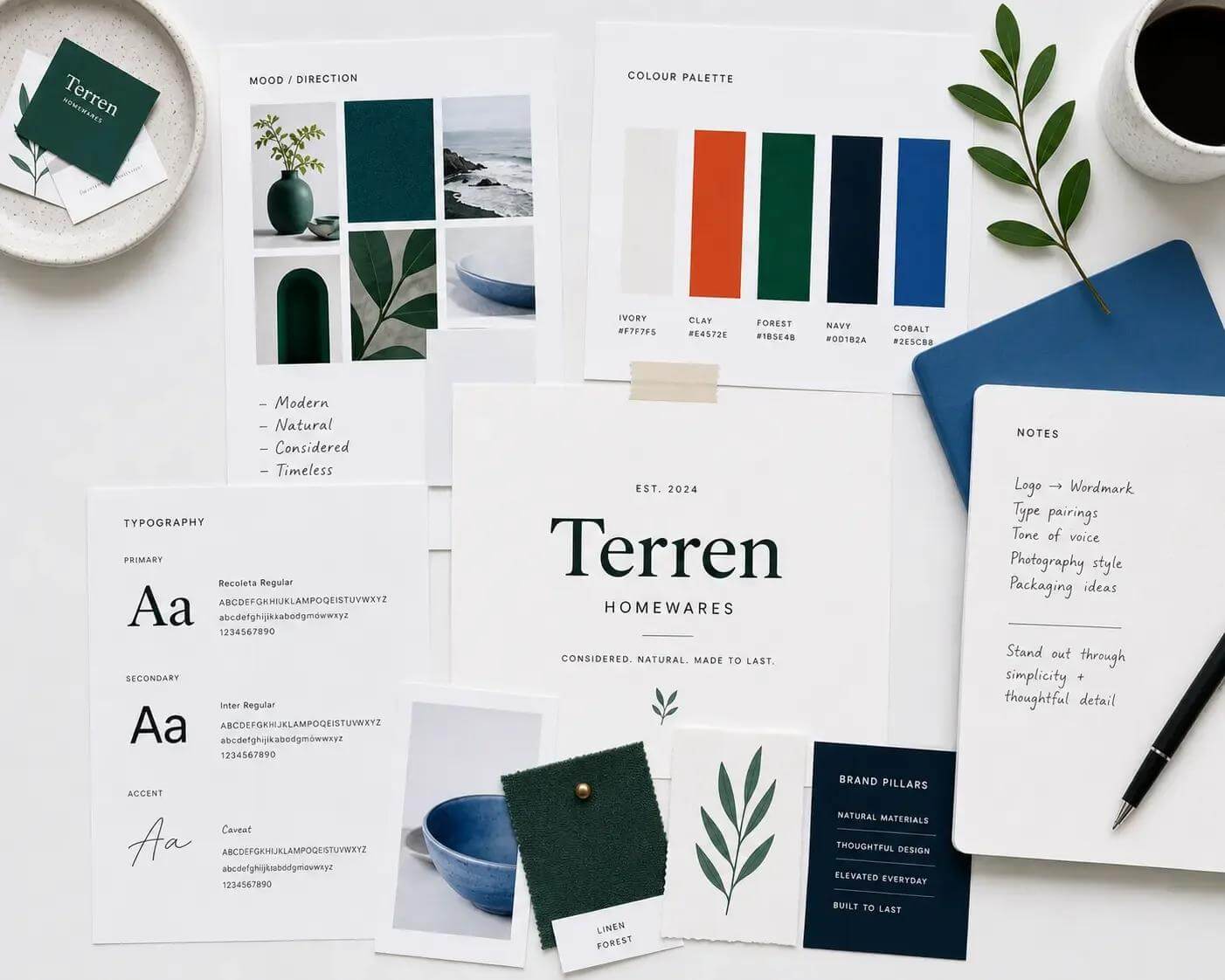
A strong brand identity consists of design elements that reflect a business's values and personality. When the logo, colors, typography, and visual style work together, the brand can develop a more recognizable appearance.
The design process should consider more than aesthetics. A brand's target audience, industry, and communication style are equally important.
2. Use the Power of Colors and Typography
Colors and typefaces play an important role in how people perceive a brand. The right color choices reinforce the intended message, while readable typography makes content easier to understand.
Using consistent brand colors and fonts across digital platforms helps strengthen brand recognition.
3. Maintain Visual Consistency Across Digital Platforms
A brand's website, social media profiles, digital advertisements, and other communication channels should share a consistent visual language. Significant design differences between platforms can weaken the overall brand identity.
Establishing clear design guidelines and applying them to all visual materials helps maintain a unified brand image.
4. Build Trust Through Professional Design
Well-executed designs can communicate attention to detail and professionalism. Inconsistent visuals, difficult-to-read text, and mismatched colors may negatively affect how people perceive a business.
Because users have limited attention online, designs that communicate messages quickly and clearly are particularly valuable.
5. Prioritize User Experience
Graphic design is about more than visual appeal. Information structure, visual hierarchy, readability, and ease of use are also essential components.
When creating website visuals, advertising materials, and social media content, the goal should be to help users understand the message and find the information they need with ease.
6. Align Your Designs With Your Brand Strategy
Every design project should support the brand's overall communication strategy. From advertising visuals to social media posts, all materials should align with the business's goals and target audience.
This approach creates a more structured visual communication process and ensures that the brand is represented consistently across different channels.